
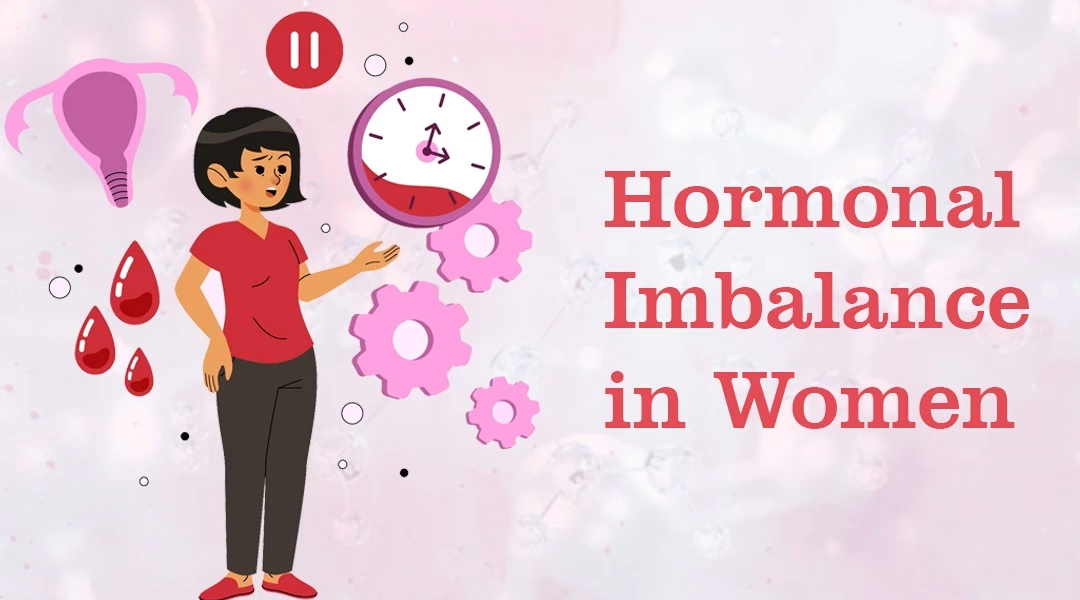
Hormones play a vital role in regulating almost every function in a woman’s body, from metabolism and mood to reproductive health and sleep patterns. When these hormones are balanced, the body functions smoothly. However, even a slight disruption can lead to noticeable physical and emotional changes. Hormonal Imbalance in Women: Signs You Shouldn’t Ignore is an important topic because early recognition can help prevent long-term health complications and improve overall quality of life.
What is hormonal imbalance?
Hormonal imbalance occurs when there is too much or too little of a particular hormone in the bloodstream. Women experience natural hormonal fluctuations during puberty, pregnancy, menopause, and even monthly menstrual cycles. While some changes are normal, persistent or severe symptoms may indicate an underlying imbalance that requires medical attention.
Common hormones that affect women’s health include estrogen, progesterone, thyroid hormones, insulin, and cortisol. An imbalance in any of these can disrupt multiple systems in the body.
Common signs you shouldn’t ignore
1. Irregular menstrual cycles
One of the earliest and most common signs of hormonal imbalance is irregular periods. This may include missed periods, very frequent cycles, unusually heavy bleeding, or severe menstrual pain. Conditions such as polycystic ovary syndrome (PCOS), thyroid disorders, or stress-related hormonal changes often manifest through menstrual irregularities.
2. Unexplained weight gain or weight loss
Sudden changes in weight without significant changes in diet or physical activity may be linked to hormonal issues. Thyroid imbalances can slow down or speed up metabolism, while insulin resistance can lead to weight gain, especially around the abdomen.
3. Persistent fatigue and low energy levels
Feeling constantly tired despite adequate rest could be more than just a busy lifestyle. Hormonal imbalances involving thyroid hormones or cortisol can interfere with the body’s energy regulation, leaving you feeling drained and unmotivated.
4. Mood swings, anxiety, or depression
Hormones have a strong influence on brain chemistry. Fluctuations in estrogen and progesterone can lead to mood swings, irritability, anxiety, or even depressive symptoms. If emotional changes are frequent or intense, it’s important not to dismiss them as “just stress.”
5. Skin and hair changes
Acne that persists beyond adolescence, excessive facial hair growth, hair thinning, or hair fall can be signs of hormonal imbalance. Elevated androgen levels, commonly seen in PCOS, often affect the skin and hair.
6. Sleep disturbances
Difficulty falling asleep, staying asleep, or waking up feeling unrefreshed may be linked to hormonal changes. Imbalances in melatonin, cortisol, or progesterone can disrupt normal sleep patterns, affecting both physical and mental health.
7. Digestive issues and bloating
Hormones influence gut health as well. Estrogen and progesterone fluctuations can cause bloating, constipation, or digestive discomfort, particularly around the menstrual cycle. Chronic digestive issues should not be overlooked.
8. Reduced libido and fertility concerns
A noticeable decrease in sexual desire or difficulty conceiving may be associated with hormonal imbalances. Reproductive hormones play a crucial role in ovulation and overall sexual health, and disruptions can impact fertility.
What causes hormonal imbalance in women?
Several factors can contribute to hormonal imbalance, including chronic stress, poor diet, lack of physical activity, inadequate sleep, medical conditions like thyroid disorders or PCOS, and certain medications. Lifestyle factors often act as triggers, worsening existing hormonal issues.
Diagnosis and treatment
Diagnosing hormonal imbalance typically involves a detailed medical history, physical examination, and blood tests to evaluate hormone levels. At Sujata Birla Hospital, a comprehensive and patient-centric approach is followed to identify the root cause of symptoms.
Treatment depends on the underlying condition and may include lifestyle modifications, dietary changes, stress management, medications, or hormone therapy when necessary. Early diagnosis allows for more effective and less invasive treatment options.
When should you see a doctor?
If symptoms persist, worsen, or begin to interfere with daily life, it’s important to seek medical advice. Ignoring warning signs may lead to complications such as infertility, metabolic disorders, or long-term hormonal dysfunction.
Hormonal Imbalance in Women: Signs You Shouldn’t Ignore is a reminder that your body often gives subtle signals when something isn’t right. Paying attention to these signs and seeking timely medical care can make a significant difference in long-term health and well-being.
At Sujata Birla Hospital, our experienced medical team is committed to providing accurate diagnosis, personalised care, and holistic treatment to help women regain hormonal balance and lead healthier lives.


